Health and Safety Policy for Landscaping Kentish Town
 Our Landscaping Kentish Town health and safety policy sets out the standards we follow to protect employees, clients, visitors, and members of the public during all landscaping activities. We believe safe working practices are essential to delivering reliable, high-quality outdoor services. This policy applies to every project, from garden maintenance and planting to grounds preparation, turf care, and hard landscaping work. It is designed to reduce risk, prevent injury, and ensure that all tasks are carried out in a responsible, well-managed manner.
We recognise that landscaping can involve a variety of hazards, including moving machinery, sharp tools, manual handling, uneven ground, soil exposure, noise, dust, and changing weather conditions. For that reason, every landscaping job is planned with safety in mind before work begins. Risk assessment is a core part of our approach, and appropriate controls are introduced where needed. Our team is expected to act with care, follow safe systems of work, and report any unsafe situation immediately.
All workers involved in Landscaping Kentish Town activities must be competent for the tasks they carry out. This means using equipment correctly, understanding the risks involved, and following instructions without exception. Training is provided where necessary, including safe lifting, tool handling, equipment inspection, and emergency response. Supervisors are responsible for making sure work is organised properly and that safety standards are maintained at all times.
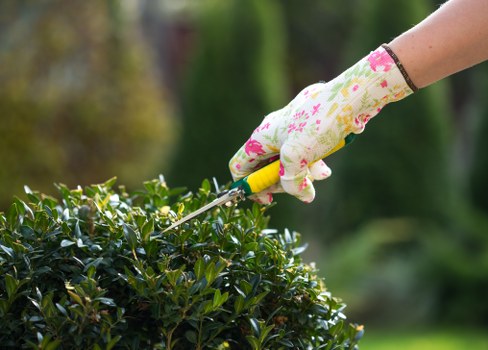
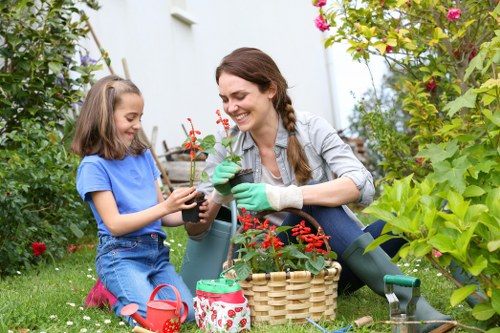
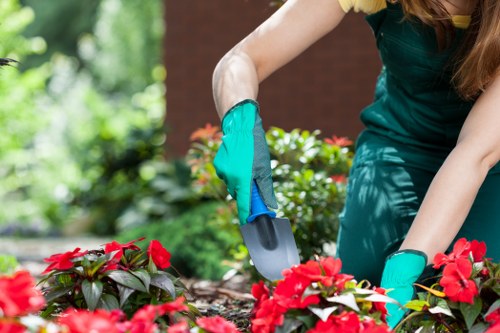
Personal protective equipment is required whenever the task calls for it. Depending on the work, this may include gloves, protective footwear, eye protection, high-visibility clothing, hearing protection, or weather-appropriate clothing. PPE must be worn correctly, kept in good condition, and replaced when damaged. While PPE helps reduce risk, it does not replace safe working methods or careful planning.
Equipment used in landscaping must be maintained to a high standard. Before use, staff should carry out checks to ensure tools, machinery, and accessories are suitable and safe. Any defect, wear, or malfunction must be reported and the item removed from service until it has been inspected and repaired. Fuel, batteries, blades, and moving parts must be handled carefully to prevent fire, cuts, electrical hazards, or accidental start-up. Safe storage is also essential, particularly for sharp tools and substances used in grounds care.
 Manual handling presents one of the most common risks in landscaping work. Loads such as soil, paving materials, plants, and waste bags can cause strain or injury if moved incorrectly. Staff are expected to assess the weight, shape, and distance of any load before lifting or carrying it. Where possible, mechanical aids or team lifting should be used. Good posture, clear routes, and planned movements help reduce the chance of musculoskeletal injury.
Weather and ground conditions can change quickly, affecting the safety of landscaping operations. Wet surfaces, ice, heat, strong winds, and poor visibility may create additional hazards. Work should be adjusted when necessary to avoid unnecessary risk. Hydration, sun protection, and suitable rest breaks are important during warm weather, while cold or wet conditions may require changes in clothing, task duration, or work methods. In every case, the wellbeing of the team takes priority over speed.
 Public safety is an important part of every landscaping safety policy. Work areas should be kept tidy, clearly marked, and separated from traffic or pedestrians where possible. Tools and materials must never be left in places where they could cause trips, cuts, or obstructions. When work takes place in shared or open spaces, extra care is required to control dust, debris, noise, and movement of equipment. A clean, organised site helps protect everyone nearby.
Environmental responsibility is closely linked to health and safety. Waste materials must be collected and disposed of properly, while fuel, oils, and chemicals must be stored and used according to safe procedures. Spills should be dealt with quickly and safely to avoid slips, contamination, or harm to plants and wildlife. We encourage the careful use of resources and the selection of methods that support both safe working and sustainable practice.
 Emergency preparedness is essential within our landscaping operations. First aid supplies should be available, and workers must know the correct steps to take in the event of injury, fire, severe weather, or equipment failure. Incidents, near misses, and hazards must be reported promptly so that lessons can be learned and future risks reduced. We review safety procedures regularly to make sure they remain effective and suitable for the types of work carried out.
Management is responsible for providing the resources needed to support safe working, including proper tools, suitable training, supervision, and clear instructions. Every employee also has a responsibility to cooperate with safety arrangements, use equipment correctly, and take reasonable care of themselves and others. Health and safety in landscaping is a shared commitment, and it depends on everyone understanding that safe practice is part of quality service.
 This policy is reviewed as needed to reflect changes in work activities, equipment, hazards, or good practice. We aim to maintain a working environment where risk is controlled, communication is clear, and safety is treated as a daily priority. By following this policy, our landscaping team can deliver professional results while protecting people, property, and the surrounding environment in a calm, structured, and responsible way.